Jesse Jackson—slandered, libeled, redeemed
The white South made a villain of a native son, but the region never had a better champion for it on the big stage than Jesse Jackson.

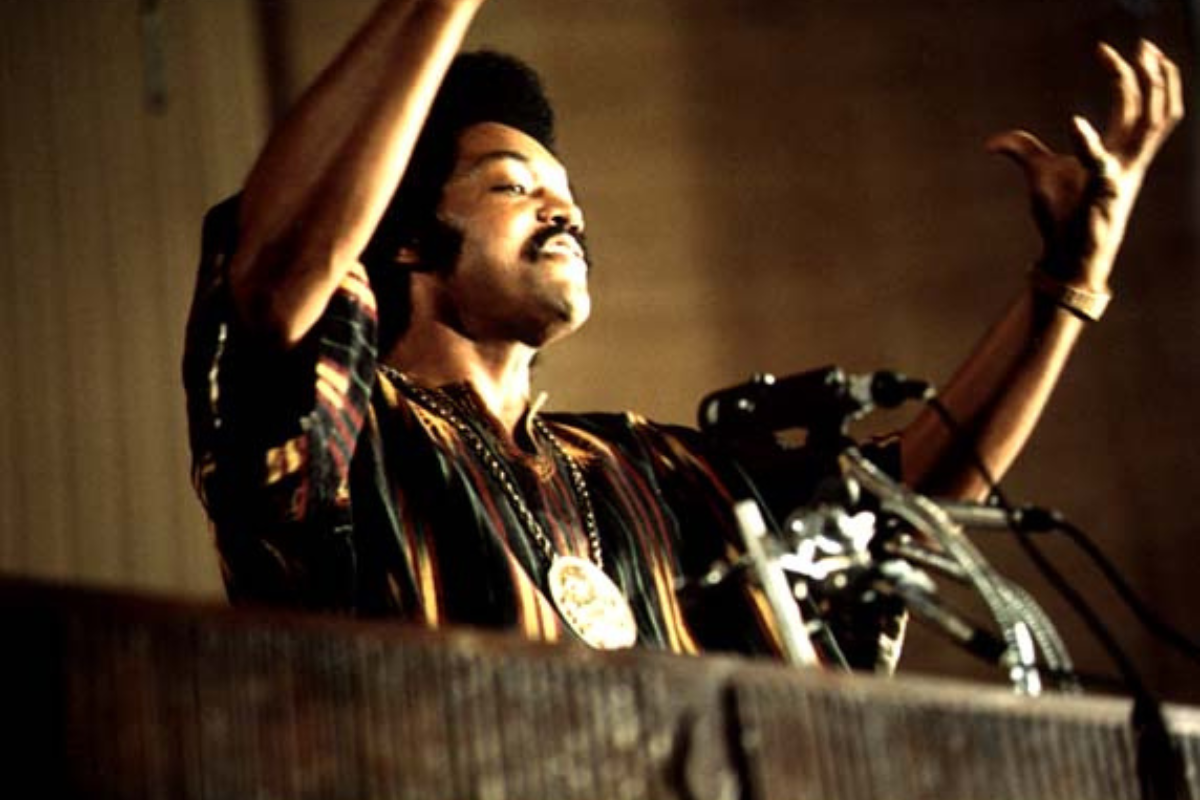
In 1984, Jesse Jackson lost his campaign for the Democratic nomination for president, just as he did in 1988.
Big party politics has an inertia to it, and it favors the surer bet. Jackson—who died Tuesday at the age of 84—was never that, even if his 1984 speech at the Democratic National Convention is the purest distillation of modern liberalism you will ever see.
He was a preacher born in the "slums" of Greenville, SC. He was educated at North Carolina A&T in Greensboro, NC, the same place that birthed the South's sit-ins. He was a myth builder who never feared piercing the myths—the big one being that Martin Luther King Jr's dream has already come true. And, even at the end of his own life, Jackson was still that same traumatized man who stood on the balcony in Memphis and joked with King moments before a bullet took him.
Jackson, unlike King, went on to delve directly in electoral politics. Which is one of the reasons King is generally remembered fondly (even if at the time of his murder in 1968, he was increasingly out of favor with white America).
But Jackson's speeches, like King's, were immersed in Christian themes and made a broadly nonpartisan appeal to helping the poor and the destitute.
In his 1984 address at the DNC, Jackson promised that "the linchpin of progressive politics in our nation will not come from the North," but from the South.
This is not a paywall. To keep reading, sign up for free using the form below.