Why the ICE killings in Minneapolis could change everything
There can be no silver lining to the ICE killings. But there can be change when brave people document it, demand action, and never let it go.

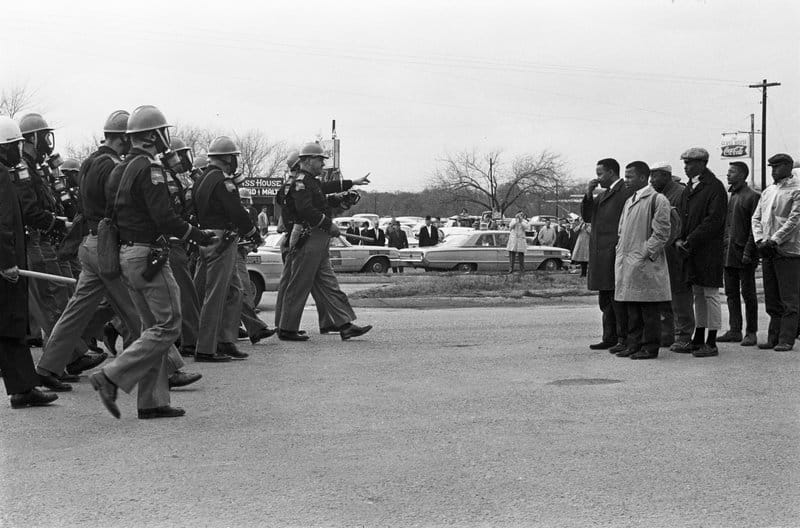
On Feb. 18, 1965, civil rights activists in Marion, Alabama, walked into an ambush.
The street lights had been turned off. State troopers rushed the nonviolent protesters, beating them and chasing them into the night. A trooper followed Jimmie Lee Jackson, a 26-year-old from Marion, into a nearby cafe and shot him to death when he tried to shield his mother.
Jackson's killing inspired its own march. Civil rights leaders, including Martin Luther King Jr., worried their followers were tired of peaceful resolutions. They proposed something active and direct—a march from nearby Selma to the state capitol in Montgomery to call for voting rights protections and justice for Jackson.
 Billy Ball
Just like in Marion, they were met by armed troopers, who beat the nonviolent protesters bloody. Among the protesters was a young man named John Lewis, later an American congressman. Reporters filmed the bloody scene. Two days later, men with clubs beat James Reeb, a white preacher from Kansas who'd joined the march. Reeb died two days later from the head trauma.
Reeb's murder, and the brutal treatment of the Selma marchers, stirred President Lyndon B. Johnson to action.
"One good man, a man of God, was killed," Johnson told Congress six days later. "There is no cause for pride in what has happened in Selma. There is no cause for self-satisfaction in the long denial of equal rights of millions of Americans. But there is cause for hope and for faith in our democracy in what is happening here tonight."
Johnson called for action, at long last, on civil rights. Within days, Congress passed the Voting Rights Act, perhaps the most important piece of legislation written about the South in the 20th century.
In Minneapolis, after federal immigration agents' killing of two nonviolent protesters—Renee Nicole Good and Alex Jeffrey Pretti, both of them 37—it's possible that we could be watching the same kind of watershed moment.